
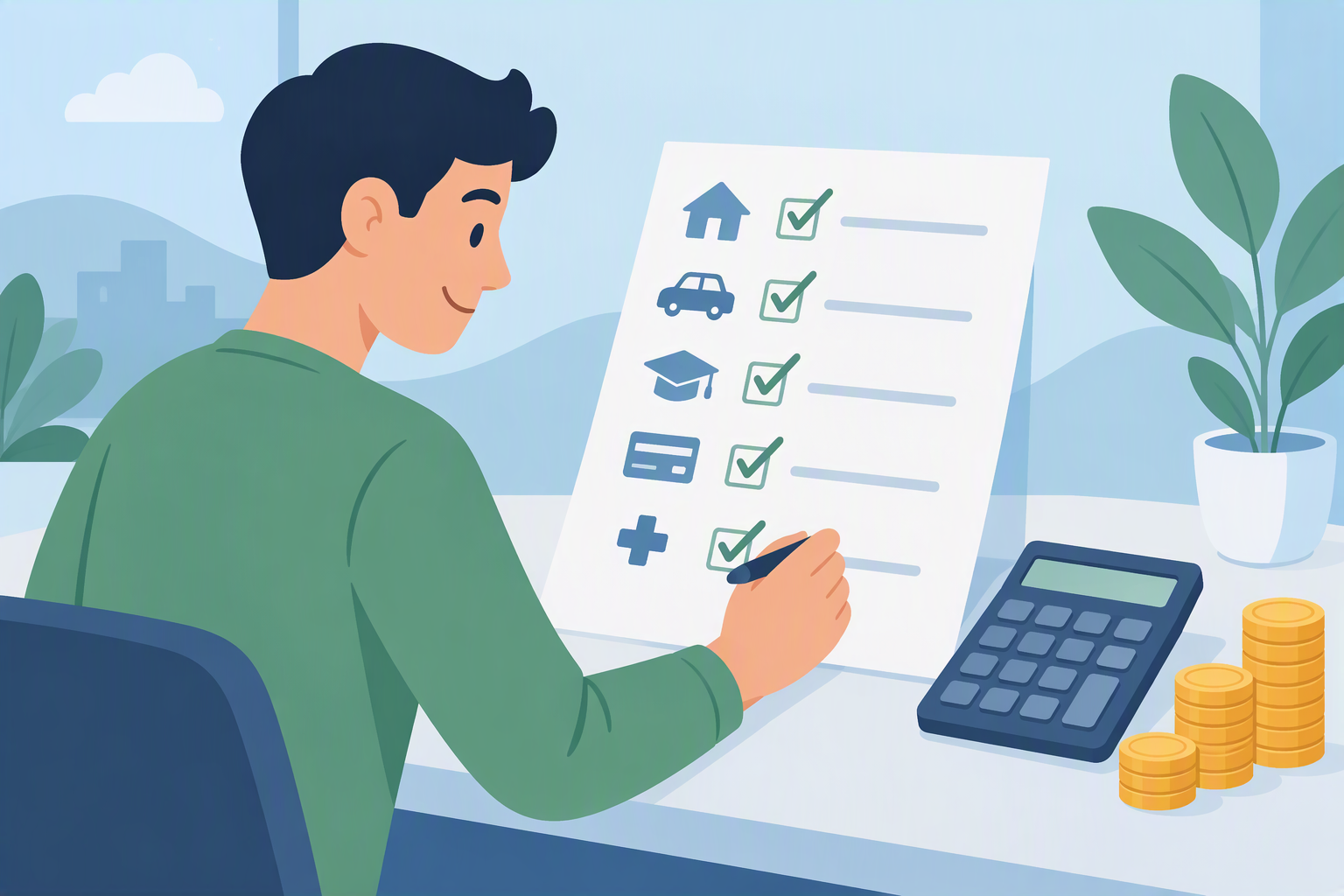
If you want to pay off debt faster, you do not need a bigger salary or a secret trick. You need a clear plan, a little discipline, and the right method for your personality. Millions of people in the US, UK, Canada and Australia carry credit card balances, personal loans, car loans or student loans, and most of them feel stuck because the interest keeps eating their payments. The good news is that a simple, step-by-step system can break that cycle. In this guide, you will learn how to organize your debts, find extra money, and choose between the two most popular methods: the debt snowball and the debt avalanche.
Why You Should Pay Off Debt Faster: It Saves Real Money
Debt is expensive because of interest. Interest is the fee a lender charges you for borrowing money, and it is added to your balance again and again. When you only pay the minimum amount, most of your payment goes to interest and very little reduces the actual loan. That is why a small balance can take years to disappear, and why you need a clear plan to pay off debt faster.
Every extra payment you make works in your favor in two ways. First, it lowers the balance right now. Second, it lowers the interest charged next month, because interest is calculated on what you still owe. The faster the balance falls, the less interest you pay in total. This is the same force that makes savings grow, but working in reverse. If you want to understand that force better, read our simple guide on how compound interest works.
Step 1: List Every Debt in One Place
You cannot fix what you cannot see. Take a pen and paper, or a simple notes app, and write down every debt you have. Do not skip the small ones and do not feel ashamed. This is just information.
What to Write for Each Debt
For every loan or card, note these four things:
- The name of the lender or card
- The total balance you still owe
- The interest rate (APR) you are paying
- The minimum monthly payment
When you see all debts side by side, you will immediately notice which ones are the most expensive and which ones are the smallest. That picture is the foundation of your plan.
Step 2: Build a Small Safety Net First
Many people start paying off debt aggressively, then a sudden car repair or medical bill arrives and they go back to the credit card. To avoid this trap, keep a small starter emergency fund before you attack your debts with full force. Even a small cushion, such as one month of basic expenses, can protect your progress. If you have not started yet, follow our step-by-step guide on how to build an emergency fund.
Step 3: Find Extra Money in Your Budget
Your debt plan needs fuel, and that fuel is extra money above the minimum payments. You do not have to find a huge amount. Even a modest sum added every month makes a big difference when you want to pay off debt faster.
A simple budget makes this much easier. The 50/30/20 budget rule splits your income into needs, wants and savings or debt payments. If you are in a hurry to become debt-free, you can temporarily shrink the “wants” part and send that money to your debts instead.
Here are practical places to find extra money:
- Cancel subscriptions you rarely use
- Cook at home a few more days each week
- Sell items you no longer need
- Take on a small side job or freelance task for a few months
- Use any bonus, tax refund or gift money for debt instead of spending it
Debt Snowball vs Debt Avalanche: Which Is Better?
These are the two most trusted methods for getting out of debt. Both of them work. They only differ in the order in which you pay your debts. In both methods, you pay the minimum on every debt, and then you put all your extra money on one chosen debt until it is gone.
The Debt Snowball Method
With the snowball method, you pay off your smallest balance first, no matter what the interest rate is. When that debt is finished, you take the full amount you were paying on it and add it to the next smallest debt. Your payment “snowballs” and gets bigger with every debt you clear.
The biggest strength of this method is motivation. You get quick wins, and every cleared debt feels like real progress. This keeps many people going when the journey feels long.
The Debt Avalanche Method
With the avalanche method, you pay off the debt with the highest interest rate first, no matter what the balance is. Once it is cleared, you move to the debt with the next highest rate.
The biggest strength of this method is math. Because you attack the most expensive debt first, you usually pay less total interest and become debt-free sooner than with the snowball method.
A Simple Example
Imagine you have three debts and you can pay an extra $200 per month on top of the minimums:
- Credit Card A: $1,200 balance at 15% interest
- Credit Card B: $3,500 balance at 24% interest
- Personal Loan: $6,000 balance at 9% interest
With the snowball method, you would put the extra $200 on Credit Card A first, because it has the smallest balance. Then Card B, then the loan.
With the avalanche method, you would put the extra $200 on Credit Card B first, because 24% is the highest rate. Then Card A, then the loan.
Card B costs you roughly $70 in interest every single month, while Card A costs about $15. So the avalanche method stops the biggest leak first and saves more money overall.
Which One Should You Choose?
Choose the avalanche method if you are comfortable with numbers and want to save the maximum amount of money. Choose the snowball method if you need small victories to stay motivated. Both can help you pay off debt faster, and the best method is the one you will actually follow until the end. Starting today with either method is far better than waiting for the perfect plan.
Smart Ways to Pay Off Debt Faster
Once your basic plan is running, these ideas can help you finish sooner:
- Pay more than the minimum, always. Even a small extra amount shortens your timeline.
- Make payments twice a month. Splitting your payment can reduce interest slightly and keeps you consistent.
- Ask your lender for a lower rate. If you have a good payment history, a polite phone call can sometimes lower your interest rate.
- Consider a balance transfer or consolidation carefully. Moving high-interest debt to a lower-rate option can help, but always check fees, the length of any promotional rate, and the total cost before you agree.
- Use windfalls wisely. Bonuses, refunds and gifts can wipe out a large chunk of debt in one move.
Mistakes That Slow Down Your Debt Payoff
Avoid these common mistakes so you do not lose your progress:
- Taking on new debt while paying the old one
- Having no plan and paying random amounts at random times
- Ignoring the interest rate and only looking at the balance
- Using your savings for small wants and then relying on credit again
- Giving up after one bad month instead of restarting the next day
How Debt, Inflation and Investing Fit Together
Paying off high-interest debt is one of the safest “returns” you can earn. If a credit card charges 24% interest, clearing it is like earning a guaranteed 24% on your money, which is very hard to beat anywhere else. At the same time, rising prices slowly reduce the value of your cash, so it also helps to understand how inflation quietly eats your savings.
Once your high-interest debts are gone, you can redirect the same monthly payment into your future. A simple next step is learning what an index fund is and how beginners use it to invest regularly for the long term.
Where to Get Free and Trusted Help
If your debt feels too heavy to handle alone, do not wait. Many countries offer free, trustworthy guidance:
- In the United States, the Consumer Financial Protection Bureau provides free tools and information about debt and credit.
- In the United Kingdom, MoneyHelper offers free, impartial money and debt guidance.
- In Canada, the Financial Consumer Agency of Canada explains your rights and options.
- In Australia, MoneySmart gives free help for managing debt.
Be careful with companies that promise to “erase” your debt quickly for a large upfront fee. Always check who you are dealing with before sharing personal or bank details.
Frequently Asked Questions
How Can I Pay Off Debt Faster?
The fastest way is to pay more than the minimum every month and focus all your extra money on one debt at a time. For most people, the avalanche method (highest interest first) clears debt fastest and costs the least in interest.
Should I save money or pay off debt first?
A good approach is to build a small starter emergency fund first, then put most of your extra money toward high-interest debt. After the high-interest debt is gone, you can build your savings further.
Is the debt snowball better than the debt avalanche?
Neither is always better. The avalanche saves more money, while the snowball gives faster motivation. Pick the one you can stick with.
How long does it take to get out of debt?
It depends on your total debt, interest rates and how much extra you can pay each month. A written plan with real numbers will give you a clear timeline.
Final Thoughts
Becoming debt-free is not about being perfect. It is about starting, staying consistent, and choosing a method that fits your mind. List your debts, find a little extra money, pick the snowball or the avalanche, and keep going one payment at a time. Whenever you feel like giving up, remember that every decision to pay off debt faster brings you closer to freedom. Every payment you make today is a step toward less stress and more money for your own future.
Disclaimer: This article is for general educational purposes only and is not financial, legal or tax advice. Your situation is unique, so please consider speaking with a qualified financial professional before making major decisions about debt or investing.